Search results for
General Custer and crazy horse speak together before battle
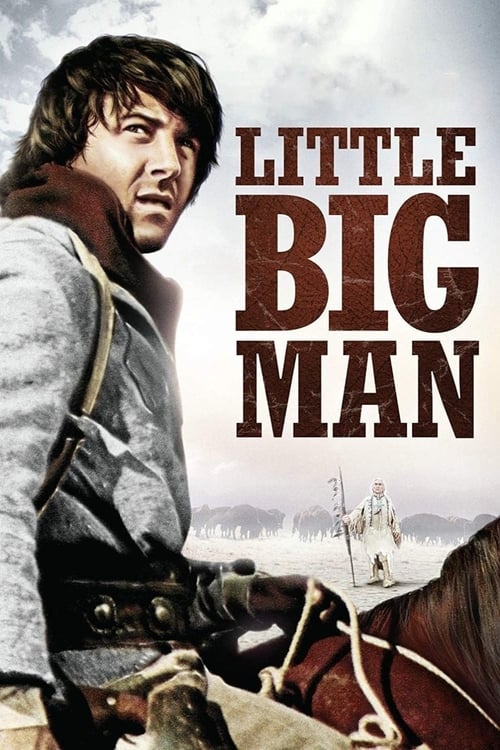
Little Big Man
Jack Crabb, looking back from extreme old age, tells of his life being raised by Indians and fighting with General Custer.
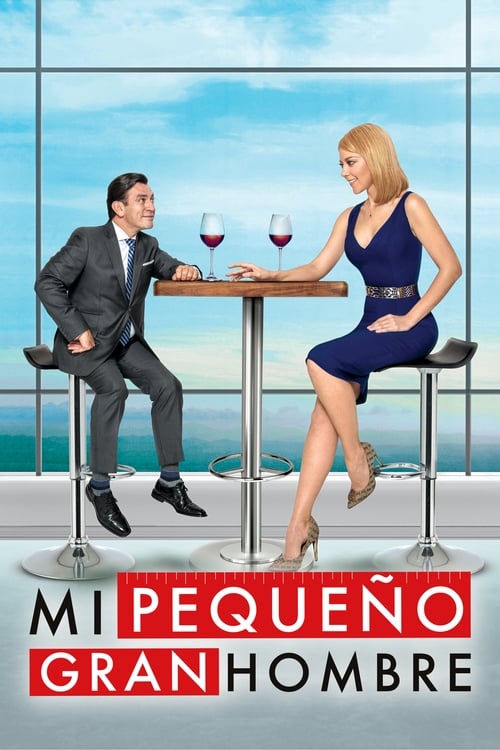
My Little Big Man
A successful and somewhat vain lawyer loses her mobile phone and is contacted by a stranger who wants to give it back. Charming and interesting, their instant connection blossoms but everything changes when they meet and she discovers a tiny little detail about him: he's rather short.
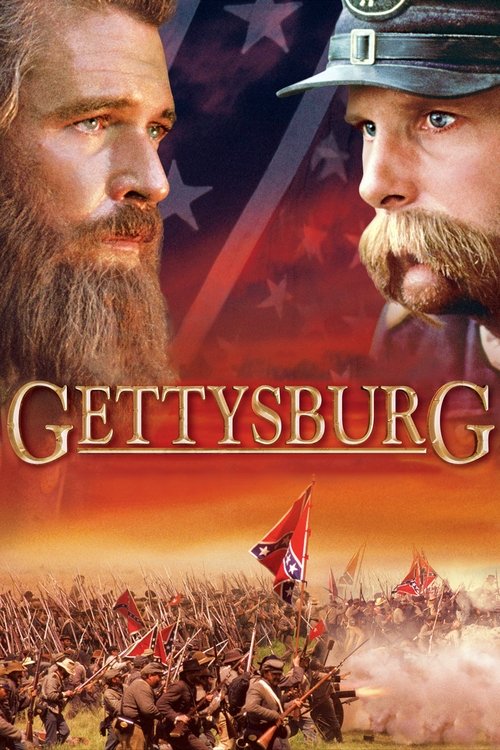
Gettysburg
In the summer of 1863, General Robert E. Lee leads the Confederate Army of Northern Virginia into Gettysburg, Pennsylvania with the goal of marching through to Washington, D.C. The Union Army of the Potomac, under the command of General George G. Meade, forms a defensive position to confront the rebel forces in what will prove to be the decisive battle of the American Civil War.
Elephants Of Scotland – Good Morning, Gettysburg - Live At Rosfest 2014
Concert registration
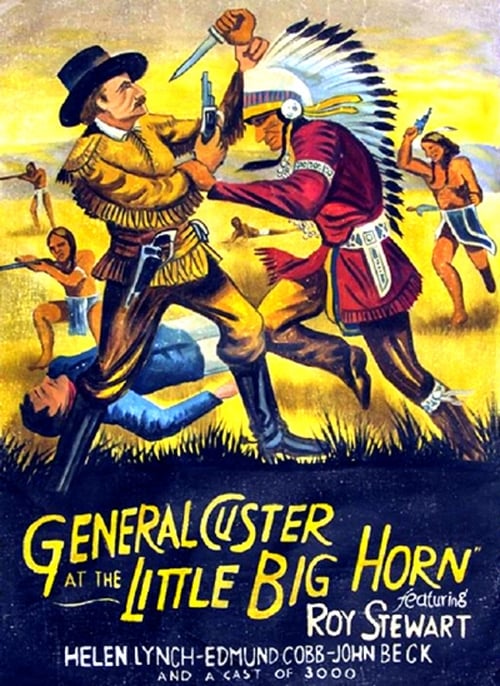
General Custer at the Little Big Horn
One of the bloodiest battles in American history is brought to life in this rarely-seen silent blockbuster. Over 3,000 extras were employed to recreate General George Custer's last stand against the Indian forces led by Crazy Horse.
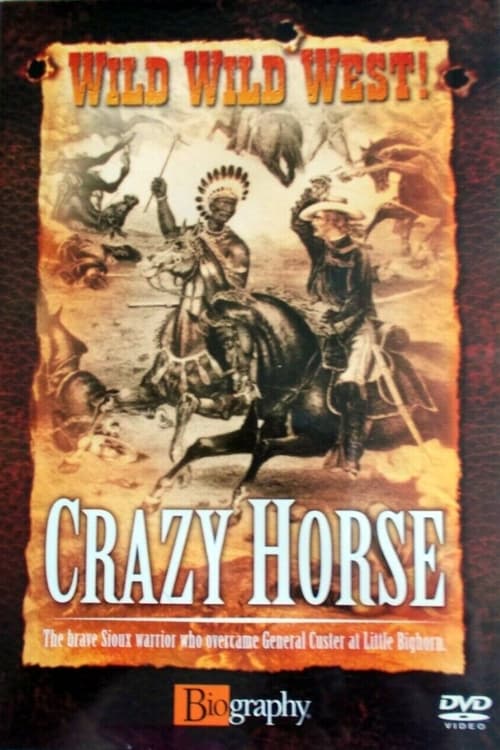
Wild Wild West: Crazy Horse
Crazy Horse - the young, mystical leader of the Sioux has come to symbolise Indian resistance to the white advance westward. His leadership in the 1876 defeat of Custer's 7th Cavalry at Little Bighorn made him the most famous Indian warrior in America, a reputation he holds to this day. Ironically, like many revered soldiers, Crazy Horse was a controversial and often despised figure among his own people and the white world. His demise was a sad one. Betrayed by his own people he was eventually bayoneted in the back whilst being held by his former friend Little Big Man. However, he will forever be remembered for leading the Sioux to their greatest victory at the Battle of Little Bighorn.
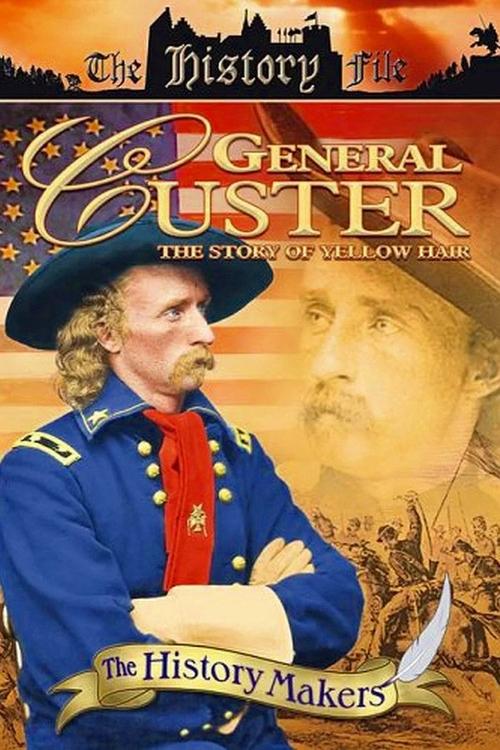
General Custer: The Story of Yellow Hair
George Armstrong Custer is one of military history's most colourful characters, a flamboyant and dashing commander. It is said that 'cometh the hour, cometh the man', and Custer's appearance on the battlefields of America in the mid-1800s fits this saying perfectly. A failure at West Point, he made his name fighting the Federal Cavalry during the American Civil War where he earned his nickname 'the Boy General'. The dashing and ambitious Custer often flouted military convention, placing his trust instead in his famous 'luck' which, unfortunately for him, ran out during the Battle of the Little Bighorn. This programme features battle reconstructions, period imagery and 'interviews' with the man himself.
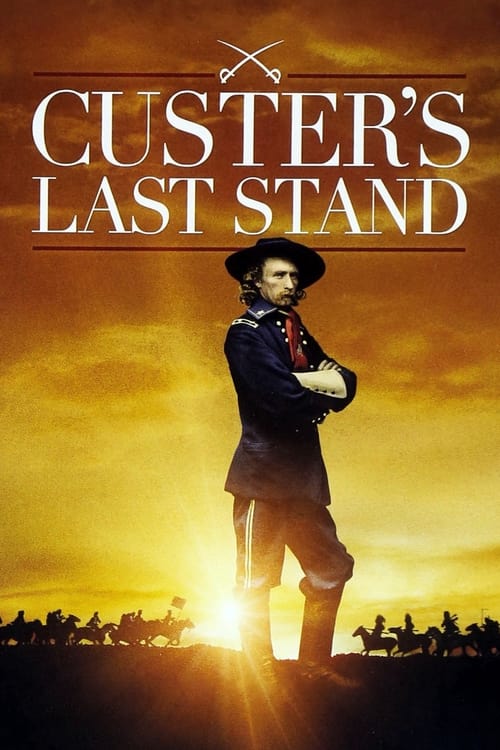
Custer's Last Stand
Follow General George Armstrong Custer from his memorable, wild charge at Gettysburg to his lonely, untimely death on the windswept Plains of the West. On June 26, 1876, Custer, a reputation for fearless and often reckless courage ordered his soldiers to drive back a large army of Lakota and Cheyenne warriors. By day's end, Custer and nearly a third of his army were dead.
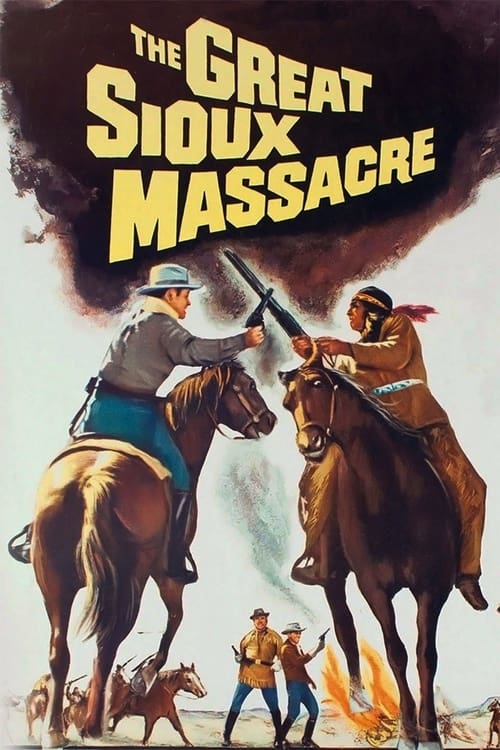
The Great Sioux Massacre
Colonel Custer, an outspoken believer in fair treatment for the Indians, is ousted from his post and forced into retirement. Fueled by ambition when a Senator Blaine convinces him to run for President, Custer decides to upstage General Terry at Little Big Horn.
Rate This Search
How well did these results match your search?