Search results for
African choir threatened by racism
Sarafina!
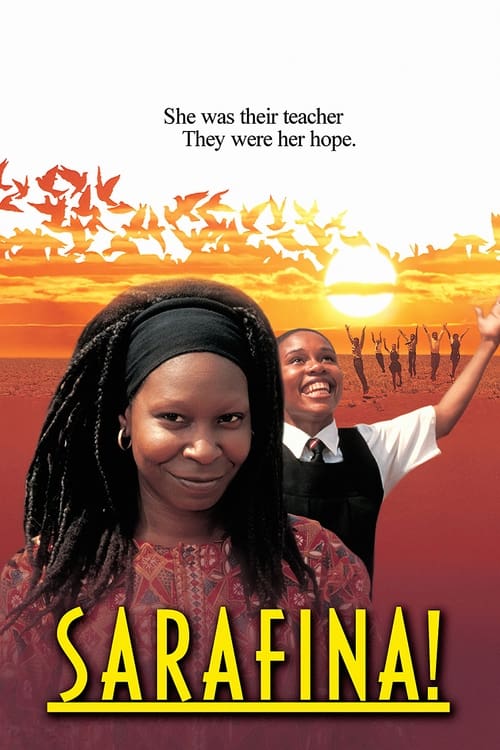
The plot centers on students involved in the Soweto Riots, in opposition to the implementation of Afrikaans as the language of instruction in schools. The stage version presents a school uprising similar to the Soweto uprising on June 16, 1976. A narrator introduces several characters among them the school girl activist Sarafina. Things get out of control when a policeman shoots several pupils in a classroom. Nevertheless, the musical ends with a cheerful farewell show of pupils leaving school, which takes most of act two. In the movie version Sarafina feels shame at her mother's (played by Miriam Makeba in the film) acceptance of her role as domestic servant in a white household in apartheid South Africa, and inspires her peers to rise up in protest, especially after her inspirational teacher, Mary Masombuka (played by Whoopi Goldberg in the film version) is imprisoned.
Voices of Sarafina!
At the Lincoln Center, the South African cast members of the anti-Apartheid Broadway hit musical Sarafina perform and later give interviews about their politically and socially troubled country in this documentary. Writer-director Mbongeni Ngema cautions his cast that their opinions could bring trouble from the government once they return to South Africa. The cast later meets exiled singer Mariam Makeba, who in a moving, sentimental gesture expresses her gratitude for the company bringing the story to the rest of the world. The performance combines singing and dancing, combining ancient folk songs with modern music from Hugh Masakela and others from South Africa.
Cry Freedom
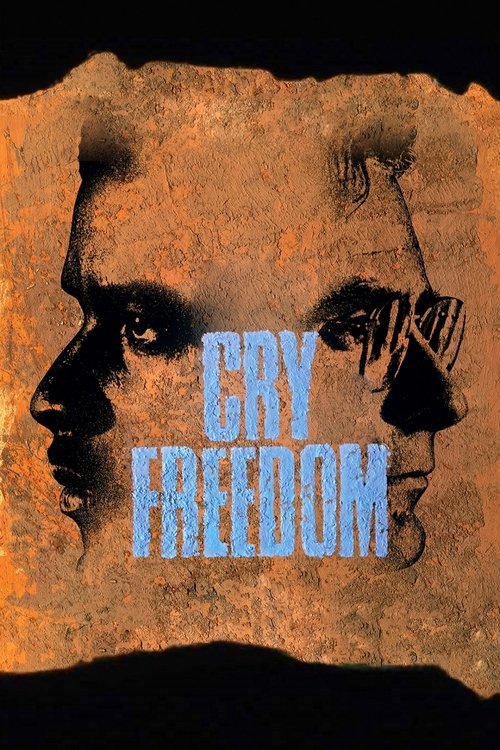
A dramatic story, based on actual events, about the friendship between two men struggling against apartheid in South Africa in the 1970s. Donald Woods is a white liberal journalist in South Africa who begins to follow the activities of Stephen Biko, a courageous and outspoken black anti-apartheid activist.
Cry Freedom
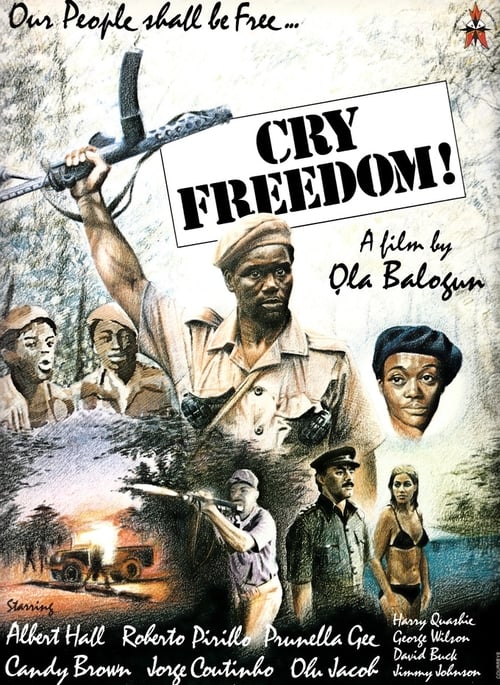
Balogun's most political film is a confrontation with the African wars of liberation. Based on Carcase for Hounds, Meja Mwangi's novel about the Mau-Mau uprising, it is set in an unnamed country and thus offers the vision of a pan-African struggle for freedom and against colonial oppression. The central figures in the straightforwardly and powerfully told story are the guerrilla leader Haraka and his adversary, the English colonial official Kingsley. In the end, the film becomes a homage to the freedom fighters from all over Africa: the final images show Patrice Lumumba, Steve Biko, Nelson Mandela and Amílcar Cabral, among others.
Rate This Search
How well did these results match your search?