Factory workers moving up the rank
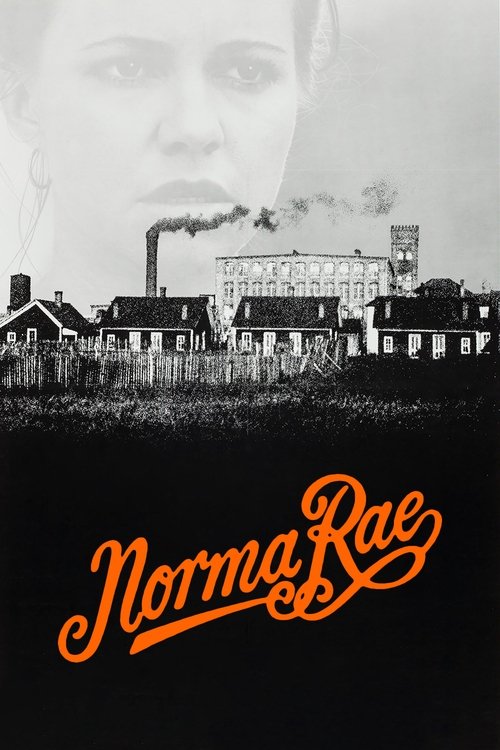
1979 7.2
Norma Rae is a southern textile worker employed in a factory with intolerable working conditions. This concern about the situation gives her the gumption to be the key associate to a visiting labor union organizer. Together, they undertake the difficult, and possibly dangerous, struggle to unionize her factory.
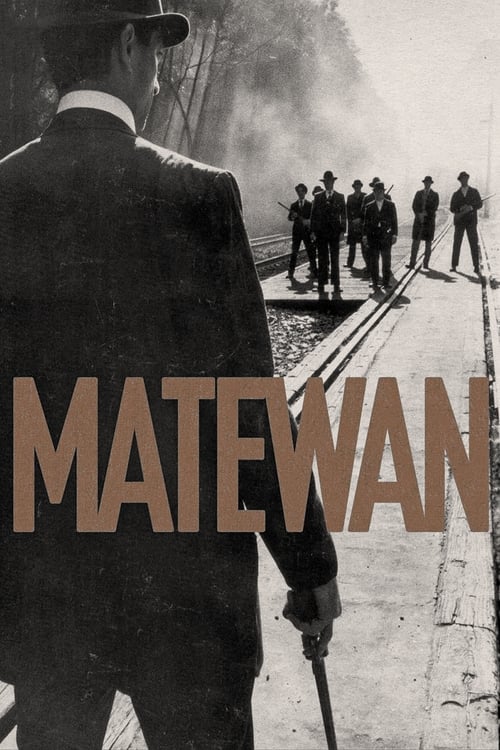
1987 7.4
Filmed in the coal country of West Virginia, "Matewan" celebrates labor organizing in the context of a 1920s work stoppage. Union organizer, Joe Kenehan, a scab named "Few Clothes" Johnson and a sympathetic mayor and police chief heroically fight the power represented by a coal company and Matewan's vested interests so that justice and workers' rights need not take a back seat to squalid working conditions, exploitation and the bottom line.
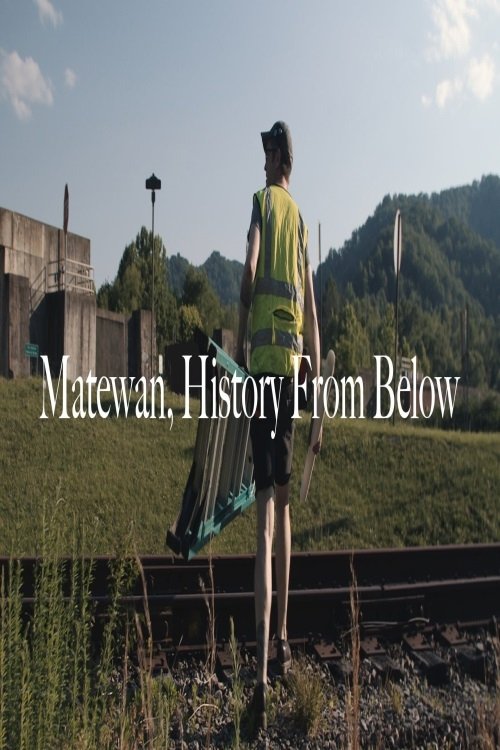
2020
This short documentary examines the resurgence of interest in Appalachia’s labor history and class struggle as a new generation faces an unstable economy.

White Collar Blue is an Australian television series made by Knapman Wyld Television for Network Ten from 2002 to 2003. Starring Peter O'Brien as Joe Hill and Freya Stafford as Harriet Walker, the series dealt with a division of the police force working in the city of Sydney and the personal and professional tensions affecting their work and lives. In the pilot episode, Harriet is introduced as the new face to Kingsway station, transferring from the "White Collar" federal police to the "Blue Collar" New South Wales Police. Throughout the series Harriet must deal not only with her husband's brutal murder and the revelation of his adultery, but with learning to adjust and fit into her new surroundings. Joe is Harriet's new partner, and isn't exactly welcoming to her as an addition to the team. With two daughters from previous marriages, Joe needs to juggle his homelife, his dedication to the job and his relationship with Nicole Brown, played by Jodie Dry. The other cops at the station are Ted Hudson, played by Richard Carter, Sophia Marinkovitch and Theo Rahme, and each have their own secrets and problems to deal with. The series was axed after two seasons, however it can be found on cable TV both in Australia and overseas.

1978 7.3
Fed up with mistreatment at the hands of both management and union brass, and coupled with financial hardships on each man's end, three auto assembly line workers hatch a plan to rob a safe at union headquarters.
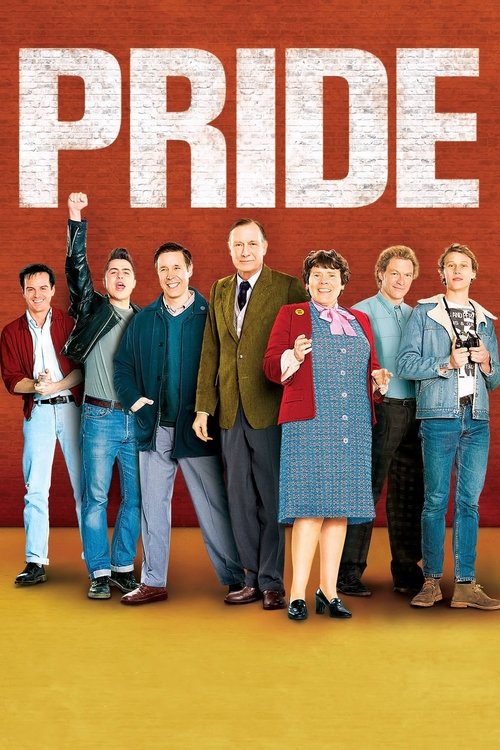
2014 7.7
In 1984, a group of LGBT activists decide to raise money to support the National Union of Mineworkers during their lengthy strike. There is only one problem: the Union seems embarrassed to receive their support.
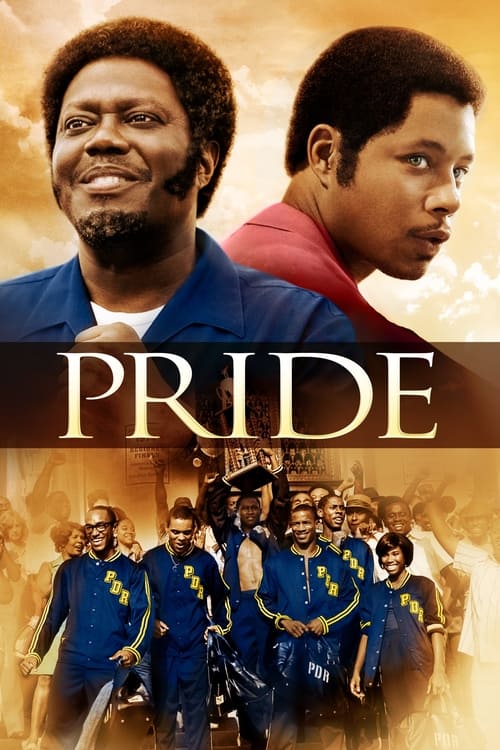
2007 6.6
Coach Jim Ellis shocks the community and changes lives when, aided by a local janitor, he sets out to form Philadelphia's first black swim team. But the odds are against them as they battle rigid rules, racism and more.
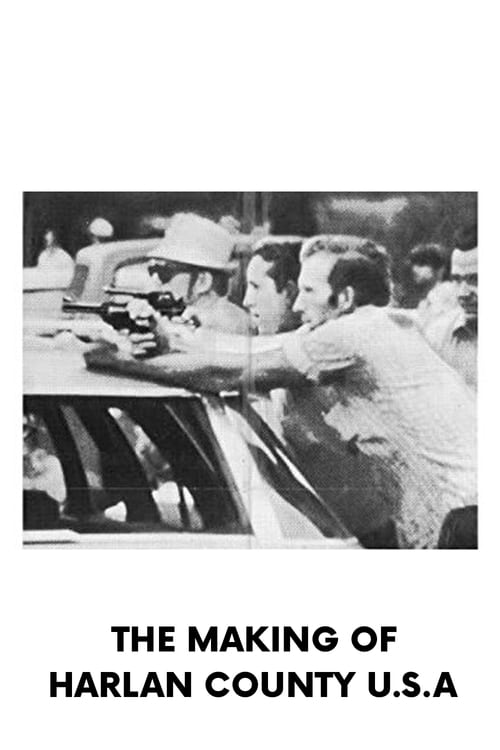
2006 6.0
This documentary features new interviews with producer-director Barbara Kopple, cinematographers Hart Perry and Kevin Keating, associate director Anne Lewis, and three people featured in HARLAN COUNTY USA: United Mine Workers organizer Houston Elmore, miner Jerry Johnson, and strike activist Bessie Parker.

1977 7.5
This film documents the coal miners' strike against the Brookside Mine of the Eastover Mining Company in Harlan County, Kentucky in June, 1973. Eastovers refusal to sign a contract (when the miners joined with the United Mine Workers of America) led to the strike, which lasted more than a year and included violent battles between gun-toting company thugs/scabs and the picketing miners and their supportive women-folk. Director Barbara Kopple puts the strike into perspective by giving us some background on the historical plight of the miners and some history of the UMWA. Preserved by the Academy Film Archive in partnership with New York Women in Film & Television in 2004.
How well did these results match your search?