Search results for
People live at a nuclear testing site
Aggressive Environment. Radiation. Nuclear Test Site
Imagine Slovenia completely uninhabitable. Such is the territory of the Semipalatinsk test site. In these 18.5 thousand square kilometers, the atom was not peaceful. For 40 years, from 1949 to 1989, more than 500 nuclear and thermonuclear explosions thundered here, including the most powerful of the ground ones. How does this land live now, and will it ever be habitable? The film crew of the program "Aggressive Environment" visited one of the most radioactive places on the planet.
Nuclear Lessons
The Semipalatinsk testing site is a terrifying place that has served as a place for the most horrific weapons of mass destruction ever devised by humanity - nuclear bombs - for a consecutive 40-year period. The Soviet Union's leading scientists and researchers conducted extensive studies on the impact of nuclear weapons on urban areas. They constructed simulated towns, complete with real buildings and even metro stations, to observe and assess the aftermath. These dedicated researchers identified the zones where immediate death would occur, areas where survival was possible but would result in blindness, and regions where individuals would live, but their offspring would suffer from mutations for years to come. They conducted experiments and meticulously analyzed the outcomes, and yet, judging by its current state, it appears as though the entire project was abandoned without a care.
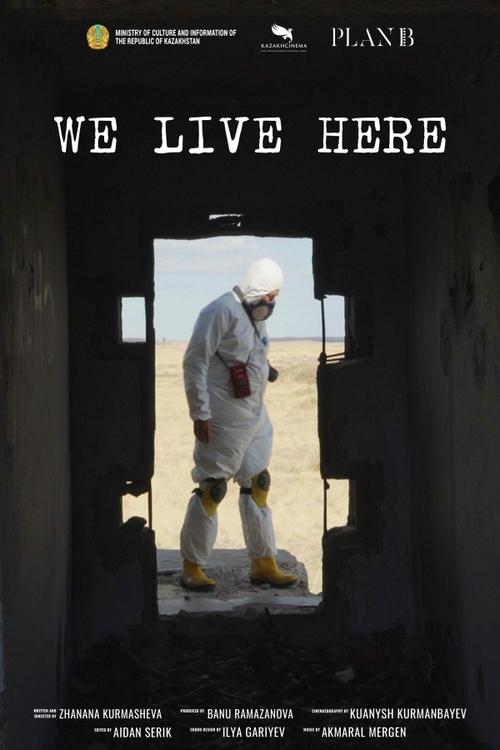
We Live Here
The film takes place in the desolate Kazakh steppe, on the grounds of a former nuclear testing site, where two ecologists conduct research to identify radioactive areas unfit for habitation. Nearby, an eyewitness to the nuclear tests writes down his personal memories, while his son struggles to save his sick daughter. Through the intimate story of three generations of one family, the film reflects on humanity's collective history and the dire situation facing our future. The steppe serves as a metaphor for our planet, now perilously close to becoming a vast nuclear wasteland.

Nuclear Shelter
Our planet was contaminated by many nuclear explosions that left the soil and the air filled with radiation, and now the few survivors of those catastrophic events live under the ground on a shelter controlled by scientists. After an incident inside the shelter, a group of rebellious scientists defy their leadership when they find a good possibility of returning to the surface.

With Sea Views
After consolidating itself as a tourist destination in the mid-1960s, this small coastal village has become the dormitory town for the workers of a Nuclear Power Plant. With the liberal promise of prosperity and socioeconomic wellfare, many workers left their homes to move to the small city and started working at the new Nuclear Power Plant. The collective unrest and the silence, cut off by the great gusts of wind, articulate the landscape of the village that is now under the aid of the Nuclear Power Plant.
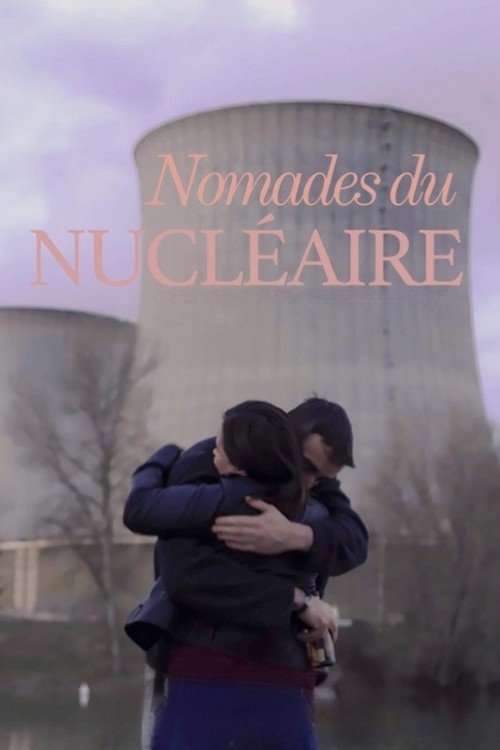
Nuclear Nomads
The French workers who clean nuclear reactors are exposed to high levels of radiation. With impressive images the film portrays “nuclear nomads” who travel from one nuclear power plant to another in caravans, risking their health in the name of the future.

Chernobyl: Men of Steel
Chernobyl – for most, an image of death and disaster, and for a few, still simply home. Even though it was the site of the greatest disaster in the history of nuclear power and resultant radioactive contamination, after only a few months some people began returning to the barbed wire-enclosed area. They did so illegally to live again in their humble cottages, passed down from generation to generation.
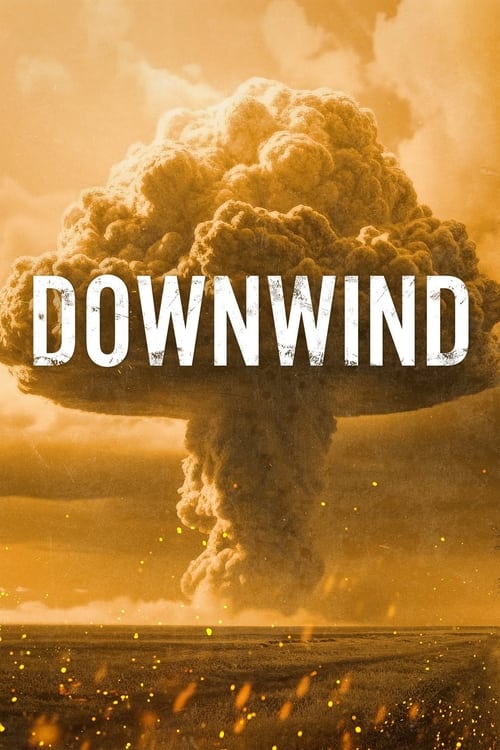
Downwind
A documentary about nuclear fallout in the United States, specifically members of the Shoshone Nation whose sacred land continues to be cordoned off as a nuclear test site.

To Use a Mountain
In 1982, six rural communities across the United States were notified that all of the nation’s nuclear waste might be buried beneath them forever. Each candidate site was studied in detail by the Department of Energy’s scientists and bureaucrats, in a process met with distress and resistance.
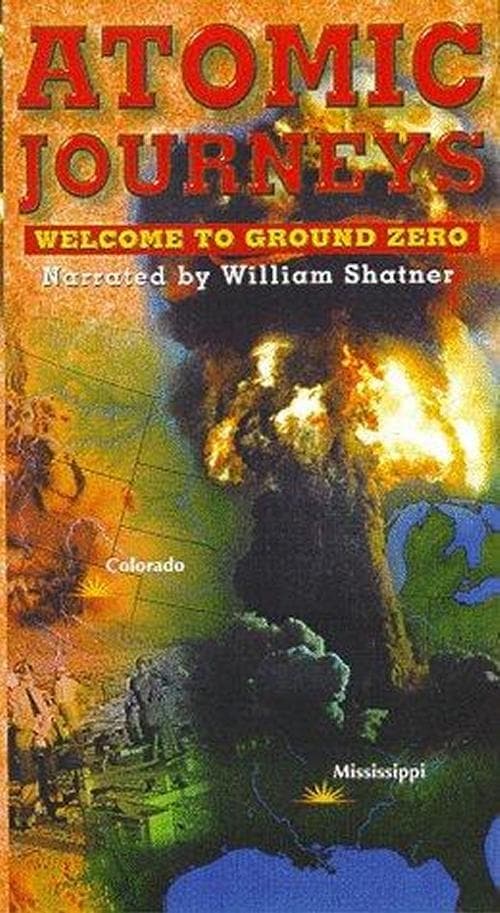
Atomic Journeys: Welcome to Ground Zero
Through the use of spectacular, never-before-seen nuclear test footage, travels to ten former testing sites and explores the history, physical changes resulting from the tests and current condition of these amazing and important places. Visit the notorious Nevada Test Site, known as the most bombed place on earth. Over 900 nuclear explosions where detonated at this location – an area larger than the State of Rhode Island. Once upon a time these locations were kept top secret, but today, with this 60th Anniversary Diamond Edition of Atomic Journeys: Welcome to Ground Zero, you will finally see these historic hot spots. Preserving the incredible legacy of America’s nuclear testing program stands as a reminder of the fine line between the progress of mankind and the destruction of the earth. Once you understand what really happened at the Ground Zero nuclear testing sites, you will never be the same.
Rate This Search
How well did these results match your search?