Search results for
Violin playing ear debris nazi germany
El violinista de Auschwitz
A Sephardic Jew, born in the Greek city of Thessaloniki, tells of the terrible experience of being a prisoner for two years in the Nazi death camp of Auschwitz and how he was able to save his life thanks to knowing how to play the violin.
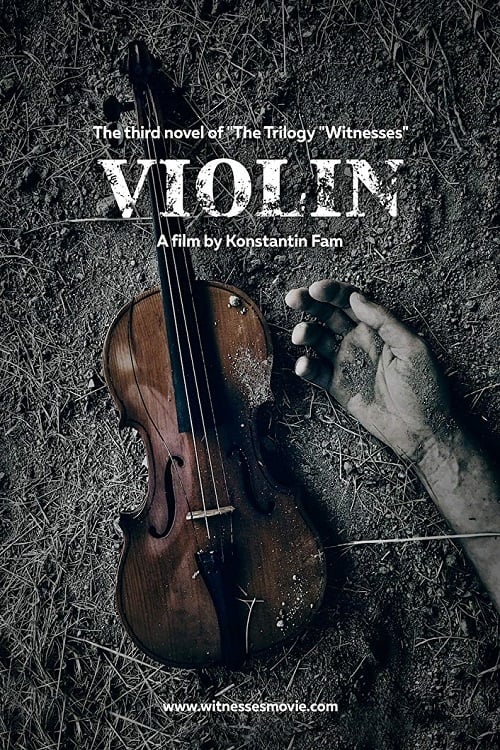
Violin
The world of the novel is fully and completely hanged around the unique instrument which got through all horrors of the war. The story begins in a violin shop in Nuremberg, where in the beginning of the XX century the violin was created. Hundred years later, through the hands of various owners, the violin finally ends up at the Wailing Wall of Jerusalem.
Human Violins
HUMAN VIOLINS evokes the power of transformative music in the darkest of times. The story is inspired by a heartbreaking real fact: during the Holocaust, many Jews were allowed to choose only one object before being brought to the camps and some of them chose their violin.
Violins in Wartime
War heard through the ears of classical musicians and also seen through their eyes.
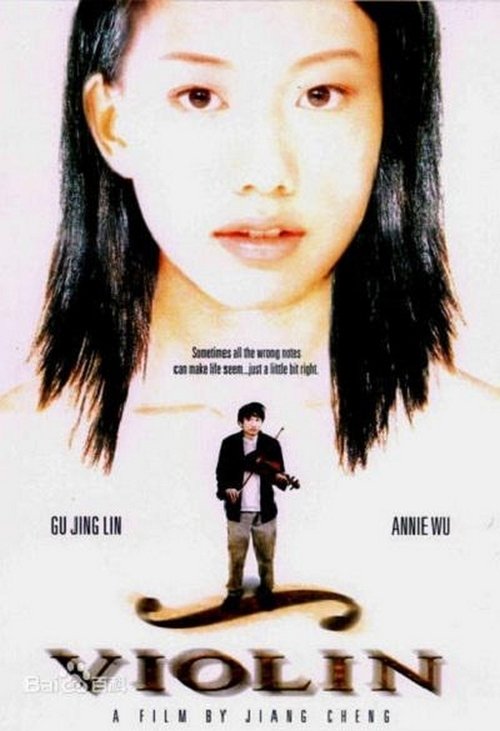
Violins of Hope: Strings of the Holocaust
Violins of Hope: Strings of the Holocaust, narrated by Academy Award-winner Adrien Brody, is a documentary featuring Israeli violinmaker Amnon Weinstein and his efforts to restore violins recovered from the Holocaust. Some were played by Jewish prisoners in concentration camps; others belonged to the Klezmer musical culture, which was all but destroyed by the Nazis.
The Cleveland Orchestra Violins of Hope Concert
Played before and during the Holocaust, the Violins of Hope instruments have been painstakingly restored by Amnon Weinstein, a second-generation violin-maker, and serve as testaments to the resilience of the human spirit and the power of music to lift hearts in even the most horrific of circumstances.


Music Under the Swastika - The Maestro and the Cellist of Auschwitz
The stories of Jewish cellist Anita Lasker-Wallfisch, who survived Auschwitz, and of star conductor Wilhelm Furtwängler, who worked with the Nazis, provide insight. The film centers around two people who represent musical culture during the Third Reich - albeit in very different ways. Wilhelm Furtwängler was a star conductor; Anita Lasker-Wallfisch, the cellist of the infamous Women’s Orchestra of Auschwitz. Both shared a love for the classical German music.
Rate This Search
How well did these results match your search?