Search results for
British pows in Japanese camp, one gets crucified
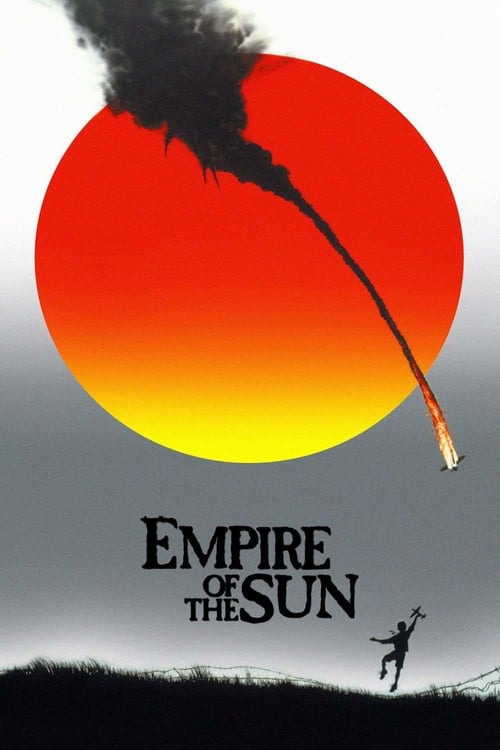
Empire of the Sun
Jamie Graham, a privileged English boy, is living in Shanghai when the Japanese invade and force all foreigners into prison camps. Jamie is captured with an American sailor, who looks out for him while they are in the camp together. Even though he is separated from his parents and in a hostile environment, Jamie maintains his dignity and youthful spirit, providing a beacon of hope for the others held captive with him.
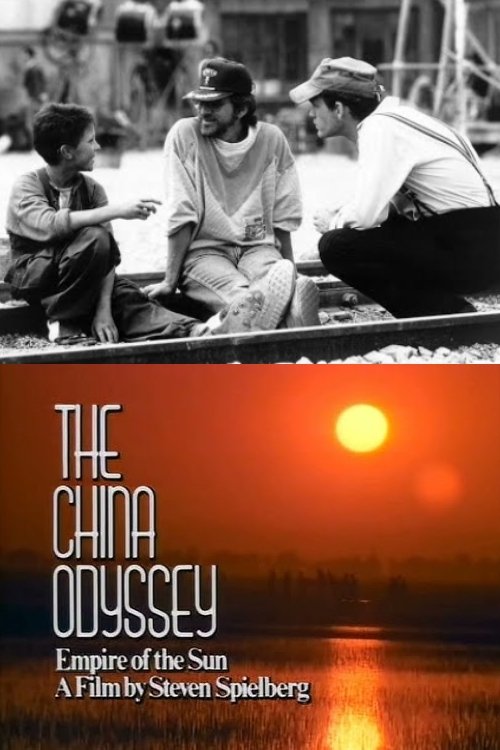
The China Odyssey: Empire of the Sun
Documentary about the making of director Steven Spielberg's film Empire of the Sun

Merry Christmas, Mr. Lawrence
Island of Java, 1942, during World War II. British Major Jack Celliers arrives at a Japanese prison camp, run by the strict Captain Yonoi. Colonel John Lawrence, who has a profound knowledge of Japanese culture, and Sergeant Hara, brutal and simpleton, will witness the struggle of wills between two men from very different backgrounds who are tragically destined to clash.

Electric Youth: Ryuichi Sakamoto’s Merry Christmas, Mr. Lawrence
Released as a single to promote a tribute album to Ryuichi Sakamoto in 2022, Electric Youth's reimagining of the iconic Merry Christmas, Mr. Lawrence makes the perfect bedfellow for a mash-up of Nam June Paik's All Star Video.
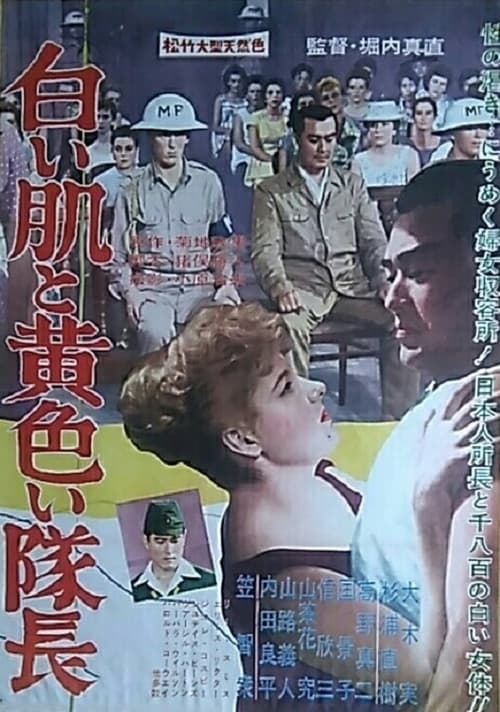
Internees of Kampili
In the autumn of 1945, Petty Officer Tadashi Yamaji is among the numerous war crimes suspects facing death on the gallows for maltreatment of Allied women and children interned in camp Kampili. Kampili is located some ten kilometers outside Macassar on the island of Celebes. Eighteen-hundred Allied women and children were interned for the duration of the war. Yamaji's iron rule for camp administration is : No violence; hands off internees; He also endeavors to establish self-administration by internees while aiming at a self-supporting camp economy within six months. His ingenuity gains the camp numerous pigs to enrich their diet, and sewing machines with to make fatigue uniforms for the military. The internees are grateful for what little aid he can give them. As the tides of war changes, Allied planes bomb the camp in error. But the surrender of Japan changes everything, and the internees join forces to save their former camp commander from the gallows.
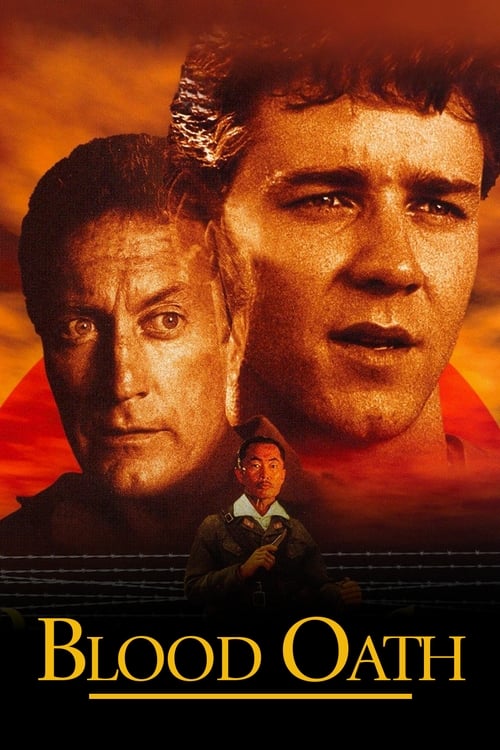
Blood Oath
On an obscure Pacific Island just north of Australia, the Japanese Empire has operated a prisoner of war camp for Australian soldiers. At the close of World War II, the liberated POWs tell a gruesome tale of mass executions of over eight hundred persons as well as torture style killings of downed Australian airmen. In an attempt to bring those responsible to justice, the Australian Army establishes a War Crimes Tribunal to pass judgement on the Japanese men and officers who ran the Ambon camp. In an added twist, a high ranking Japanese admiral is implicated, and politics become involoved with justice as American authorities in Japan lobby for the Admiral's release. Written by Anthony Hughes
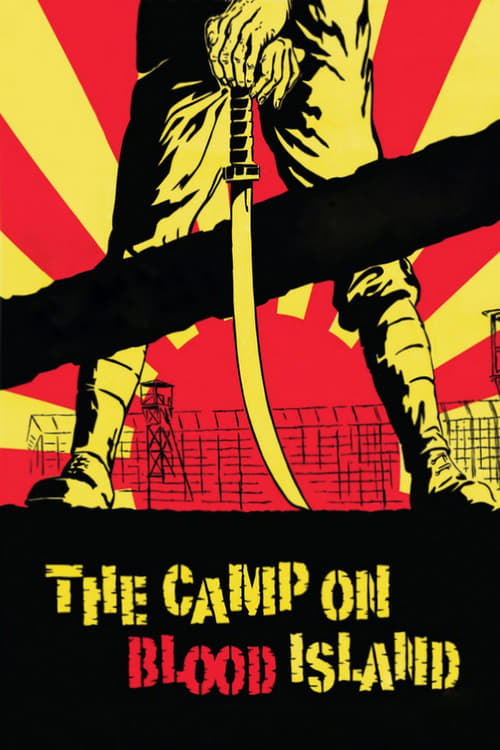
The Camp on Blood Island
Set in a Japanese prisoner of war camp during World War II, the film focuses on the brutality and horror that the allied prisoners were exposed to as the Japanese metered out subjugation and punishment to a disgraced and defeated enemy. This harrowing drama concentrates on the deviations of legal and moral definitions when two opposing cultures clash. Although fictional, this was one of the earliest films to deal realistically with life and death in a Japanese prisoner-of-war camp during the Second War.
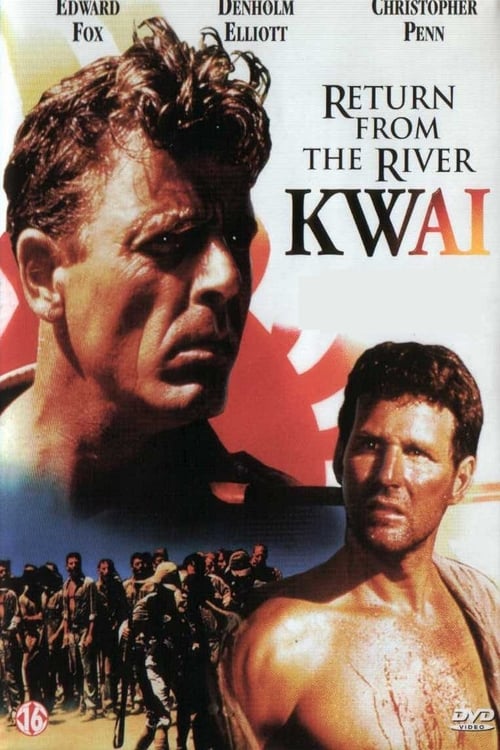
Return from the River Kwai
A group of war prisoners has spilt blood, sweat and tears to construct a bridge over the river Kwai in Thailand. Just when the bridge is ready, an American bomber arrives and destroys it. Camp commander Tanaka wants to set an example and orders that some of the prisoners must be executed. Just in time major Harada arrives with orders that the healthiest prisoners must be transported to Japan by train and boat. A treacherous journey since the allied forces keep a close eye on railroads and practically own the seas.
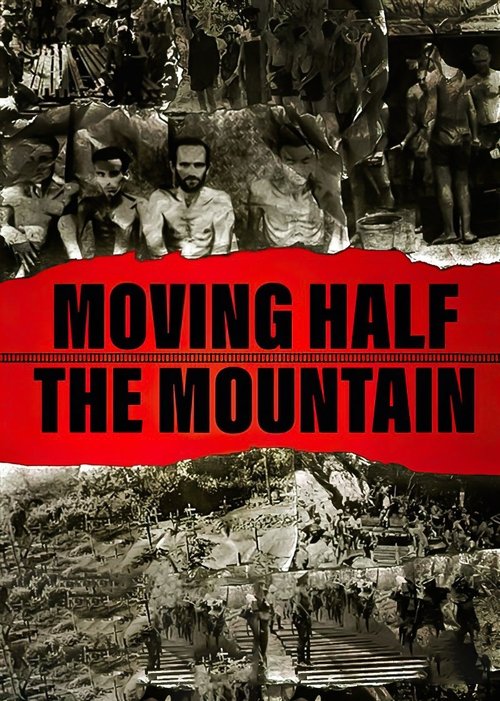
Building Burma's Death Railway: Moving Half the Mountain
The brutal use of British prisoners of war by the Japanese to build a railway linking Thailand to Burma in 1943 was one of the worst atrocities of the Second World War. For the first time in 70 years, British POWs and their Japanese captors, many now in their nineties, open their hearts to tell the story of what really happened on the 'Death Railway'. Alongside the extraordinary experiences and stories of survival told by the British, their Japanese guards tell of different horrors of war, some never disclosed before. Exploring how they have survived the terrible memories, this is an often inspiring story that many of these men have waited a long time to tell. What emerges is a warm and emotional journey through the lives of men from different sides reflecting on a terrible event that still haunts them.
701 Unit, Female Body Torture Room - Captive Women SM Night of Imprisonment
Female prisoners of war caught by enemy soldiers are by strong soldiers without exception! !
Rate This Search
How well did these results match your search?