Search results for
black and white film set in the Belgium congo in the 1960s
Konga Yo
Two Congolese men and three Europeans are thrown together as they try to avoid the political turmoil of the Congo.
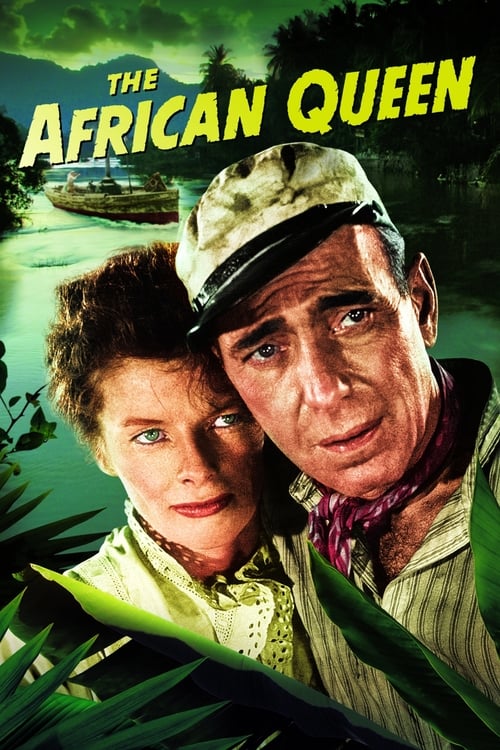
The African Queen
At the start of the First World War, in the middle of Africa’s nowhere, a gin soaked riverboat captain is persuaded by a strong-willed missionary to go down river and face-off a German warship.
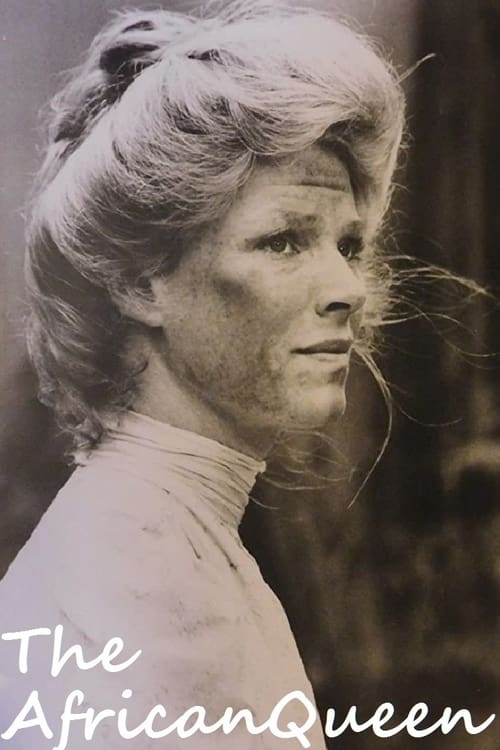
The African Queen
After the events of The African Queen (1951), Charlie and Rose are recaptured by the Germans and forced to tug one of their big cannons that could bring the Nazis victory against the local Allied forces.
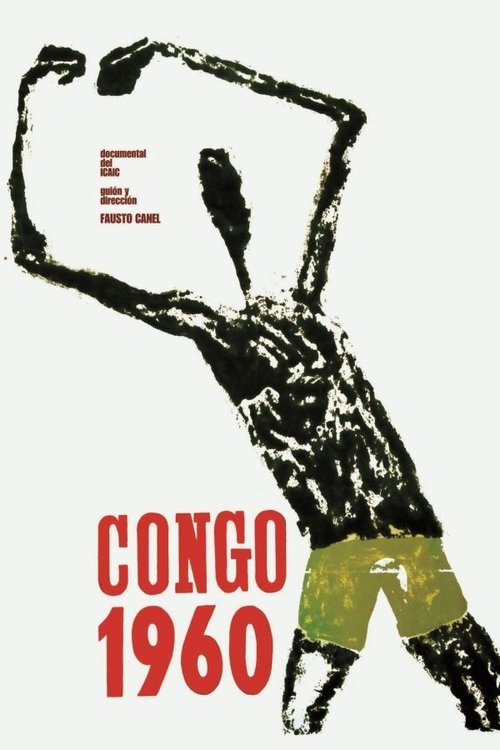
Bongolo
Bongolo (also known as Bongolo and the Negro Princess) is a 1952 Belgian film directed by André Cauvin. It was entered into the 1953 Cannes Film Festival. A young Congolese man works as a nurse at a health center lost in the jungle. He falls in love with the daughter of the local king and convinces her to forget her prejudices and ancestral rites. The elders, who oppose the wedding, burn down the health center.
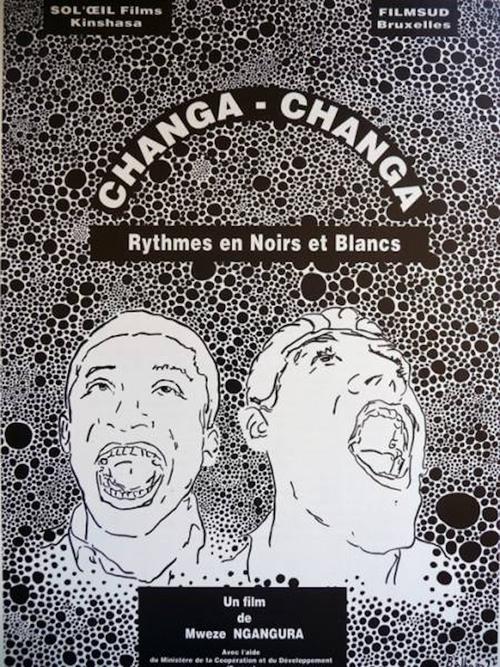
Changa Changa, rythmes en noirs et blancs
A rare documentary made in Brussels in the early nineties collecting witnesses on how local and Congolese musicians enriched each other including internationally known stars such as Manu Dibango, Toots Tielemans, Vaya Con Dios, Phillippe Catherine, Victor Laszlo, Zap Mama...
My Life in the Congo
Between 1880 and 1960, hundreds of Luxembourgers went to settle in the Belgian Congo to live and work there; some for some time, others for ever. The film tells their story and their experiences.
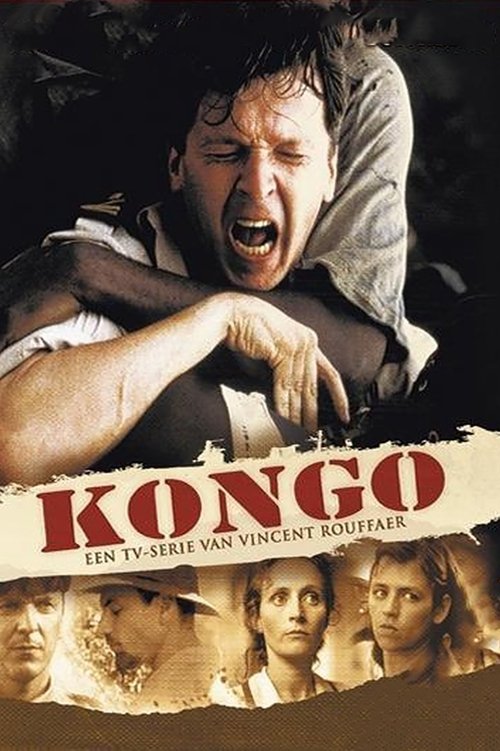
Kongo
Guy Moeyaert is a well-meaning colonial official in a jungle district of the Belgian Congo in the last years of white colonial rule, after the Second World War, a paternalistic system where the state, unable to be properly present all over the vast, sparsely populated country, collaborates systematically with the Roman Catholic missions -in his post, father Alexis- and private enterprise, in case mainly the mining company -locally represented by engineer Lenaers- which also helps out with money and labor for such public tasks as road building. Even his grip on the natives is weak, as they live under hereditary tribal leaders, which must take from its people what they are legally obliged to deliver to the state in taxes and labor; coercion is done by force, including whipping on the bare buttocks, which Guy hates. Guy also starts a love affair with Hélène Vermarcke, who gets estranged from her husband Luk (the three were already friends in Belgium) as he devotes all his efforts the their plantation, leaving her alone with the native staff and their son, or is it Guy's? The adultery makes his position in the white community far weaker then is compatible with his position of theoretical authority without sufficient independent means. He also depends heavily on his educated black clerk Gabriel Ndazaru and ambitious white deputy Arthur. It all gets worse for everybody as the call for 'dipenda', black independence as in Ghana, gets stronger, in time even accepted 'in principle' by the Belgian government which plans a gradual transition which the idealist Guy supports but all other whites oppose, while the natives have neither patience nor insight and start attacking every symbol of the old regime, regardless of its objective value, and soon white people and 'collaborators' too- it gets physically dangerous, but Guy won't budge or flee...
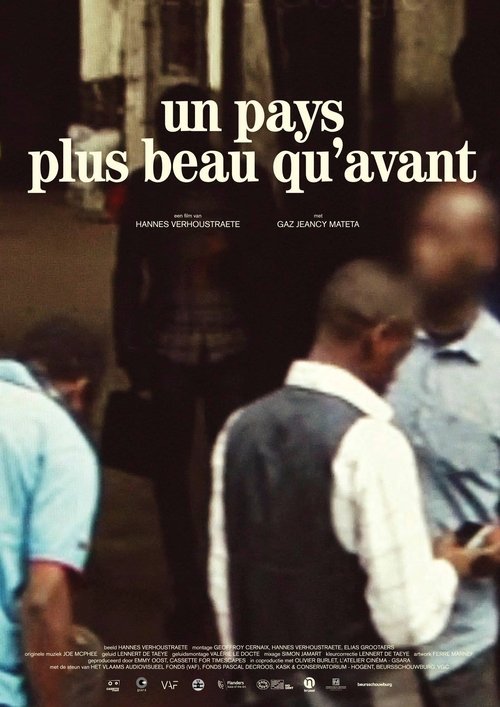
A Country More Beautiful Than Before
The wanderings of a retail trader, Jean-Simon, sketch the contours of a microcosmic informal economy in Congolese society. The financial urgency of everyday life is permeated by the political situation in Congo: a larger, more abstract urgency, which the diaspora experiences from a distance. The film finds itself somewhere in between these two imperatives, between here and somewhere else, the past and the present, small money and big money.
La Vie Des Noirs Dans Un Village Du Congo
A short film screened Il Cinema Ritrovato 2021. The film demonstrates "the inability of most filmmakers to meet a foreign culture in an appropriate manner, while offering gorgeous cinematographic shots from African landscapes, an important raison d’être of the genre." (Karl Wratschko)
Rate This Search
How well did these results match your search?