Search results for
Japanese train atomic bomb scene
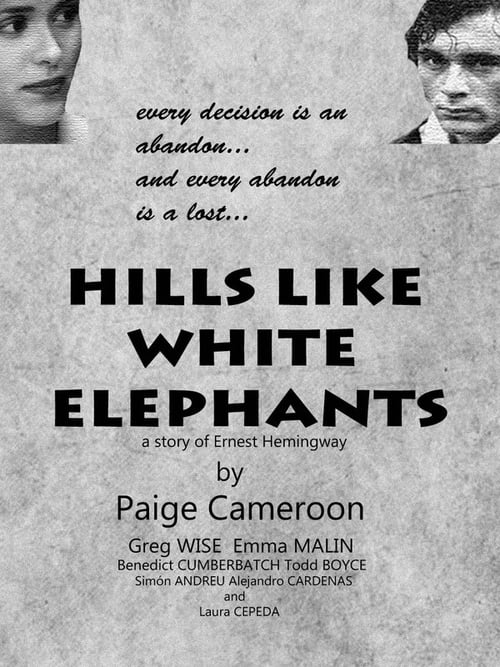
Hills Like White Elephants
Hills Like White Elephants is a 2002 short film based on a story by Ernest Hemingway. Hemingway's story was published in 1927 in the second collection of short stories titled Men without Woman.
Hills Like White Elephants
A man and a woman are trying to solve a problem that is crucial to their relationship, but their ideas and beliefs have a different vision.
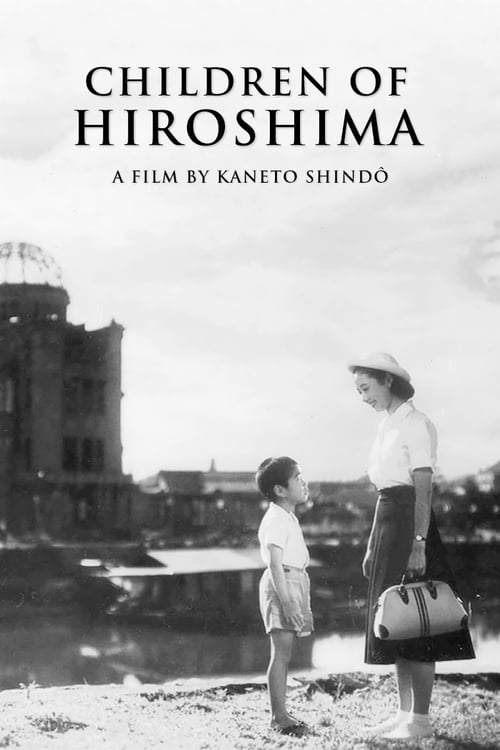
Children of Hiroshima
Shows the devastation caused by the atomic bomb, and by use of a fictional storyline, portrays the struggle of the ordinary Japanese people in dealing with the aftermath.
Last Train from Hiroshima
The true story of a Japanese man during World War II who survived the atomic blast at Hiroshima, got on a train to Nagasaki, and then survived the nuclear explosion in that city.
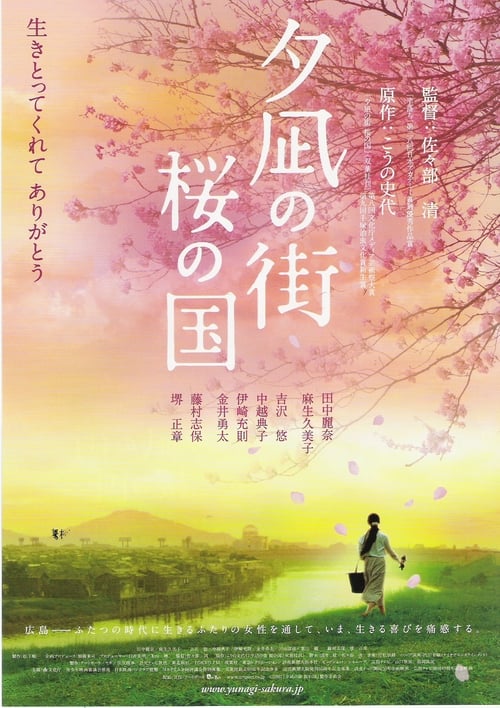
Yunagi City, Sakura Country
Thirteen years afterward, I wonder if those who bombed Hiroshima are looking at me and saying: 'We did it! We were able to kill another person!' They should be," murmurs Minami (played by Kumiko Aso), one of the two leading female characters in Yunagi no Machi, Sakura no Kuni, as she lies dying in 1958, her life brought to a premature end by sickness resulting from her exposure to atomic bomb radiation. This is a story about those who at least initially survived the first U.S. atomic bombing of 1945 and their descendants in contemporary times. The film, based on a comic by Fumiyo Kono, jumps between the two time frames and quietly depicts the sorrow and mortification experienced through the everyday lives of laid-back and soft-spoken Hiroshima people. Only a few scenes of the bombing and the ensuing devastation are featured.
Nagasaki Journey
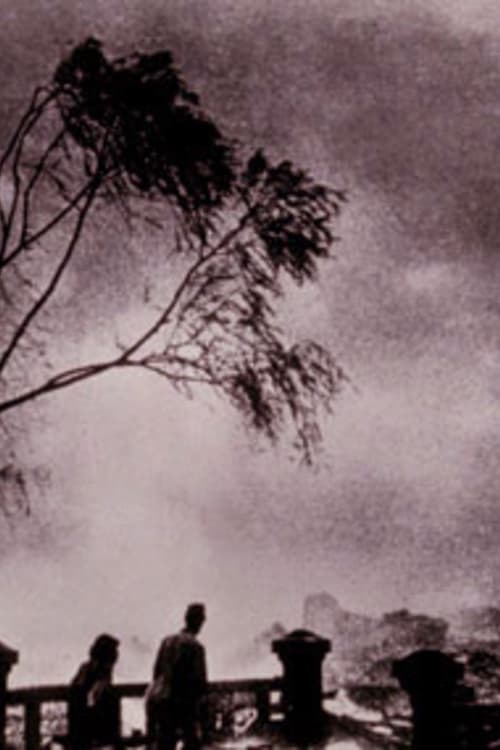
Rashomon-like look at the atomic bombing of Nagasaki on August 10, 1945. Features color footage of the bomb's aftermath shown in public for the first time in over fifty years. The film features extremely rare footage of the atomic bombing, both black-and-white and color.
Ishibumi
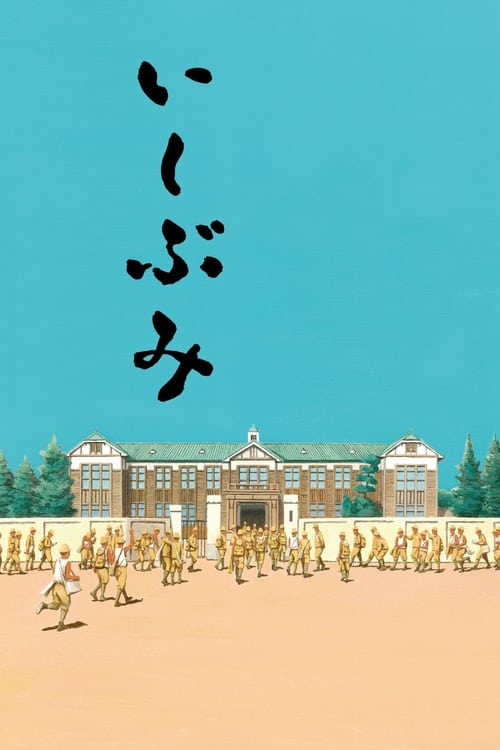
A memorial to the atomic annihilation of 321 students at Hiroshima Middle School.
Tomorrow
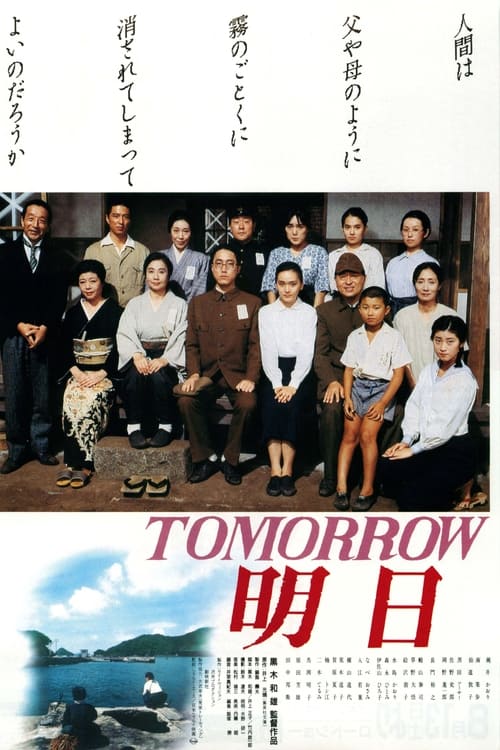
On August 9, 1945, the Americans dropped an atomic bomb on Nagasaki. This film, based on a story by Mitsukaru Inoue, describes the daily life of people in Nagasaki the day before that fateful event. It presents the human drama of people's lives, and their feelings of joy and sadness. These include a newlywed couple, an expectant mother, and lovers who must say farewell because the boy is called to serve in the army. Each of these people, like others in the city, hoped to live with their dreams for ‘tomorrow’. But tomorrow never comes for them, as their lives are brought to an abrupt and unexpected end. Knowing how the story ends, in this case, doesn't detract from it at all; rather, it enhances the emotional impact, which is further heightened by the poignant musical score from Teizo Matsumura. 'Ashita' is the first film in Kazuo Kuroki's 'War Requiem Trilogy,' which also includes 'Utsukushii Natsu Kirishima' (2002) and 'Chichi to Kuraseba' (2004).

Bullet Train Explosion
When panic erupts on a Tokyo-bound bullet train that will explode if it slows below 100 kph, authorities race against time to save everyone on board.
Hiroshima
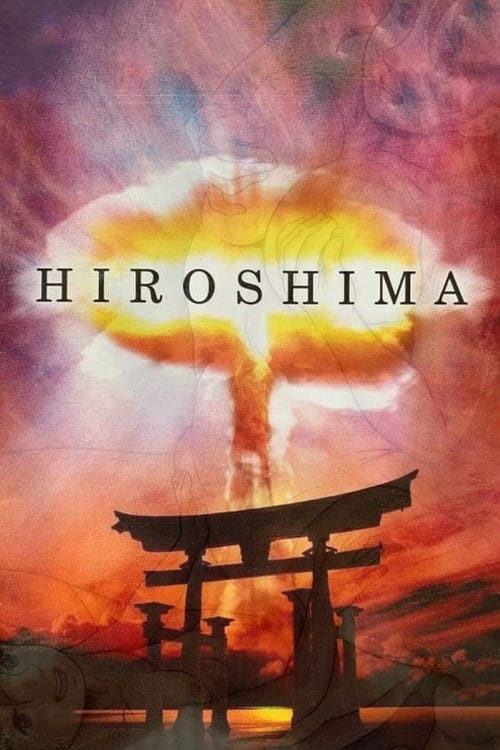
Hiroshima is a 1995 Japanese / Canadian film directed by Koreyoshi Kurahara and Roger Spottiswoode about the decision-making processes that led to the dropping of the atomic bombs by the United States on the Japanese cities of Hiroshima and Nagasaki toward the end of World War II. Except as actors, no Americans took part in the production. The three-hour film was made for television and evidently had no theatrical release, but is available on DVD for home viewing. A combination of dramatisation, historical footage, and eyewitness interviews, the film alternates between documentary footage and the dramatic recreations. Both the dramatisations and most of the original footage are presented as sepia-toned images, serving to blur the distinction between them. The languages are English and Japanese, with subtitles, and the actors are largely Canadian and Japanese.
Rate This Search
How well did these results match your search?