Search results for
eastern European film that starts with a riot
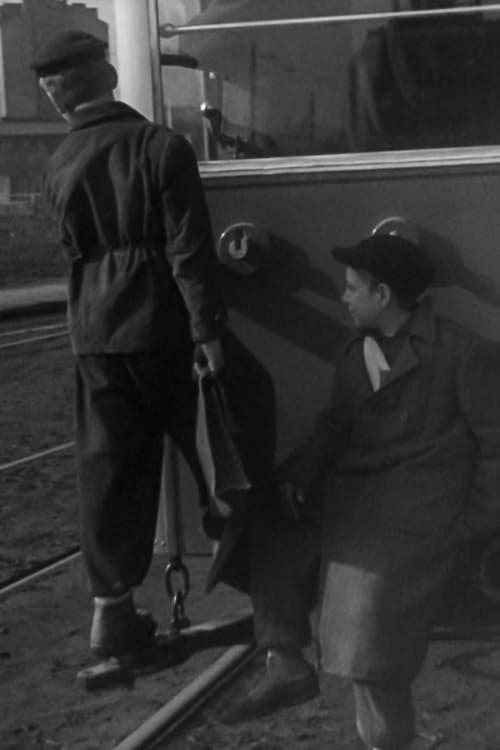
Look Out, Hooligans!
A staged documentary that started the Polish Black Series. The film takes the form of a warning against indifference to the rogue behavior of hooligan groups and their pernicious effect on young people flowing into the cities.
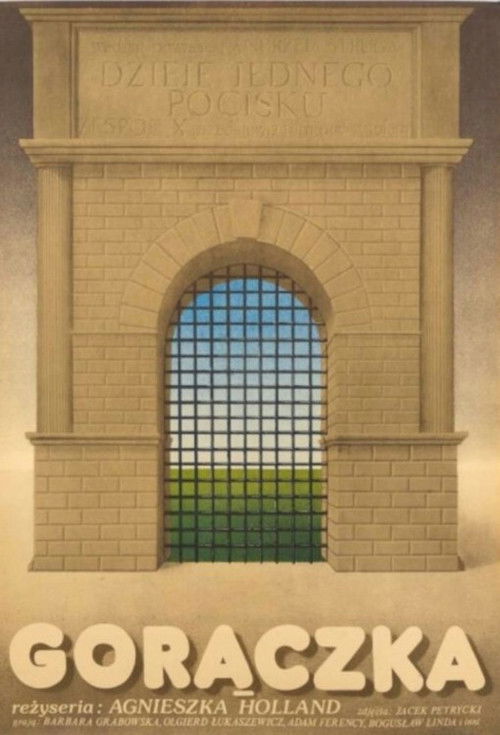
Fever
The film is set in 1905, in a time of feverish revolutionary underground activity in Poland partitioned between three neighbours. All the characters are committed anarchists. The bomb maker puts an invention together to place it at the disposal of young inexperienced terrorists fighting against Tsarist oppression. The story follows the passing of this bomb from anarchist to anarchist as several attempts are made on the life of Tsarist governor general, until, at the end, it is effectively and harmlessly defused by a bomb expert. The presence of the bomb has a destroying effect on all of the Polish revolutionaries, they either die or breakdown.
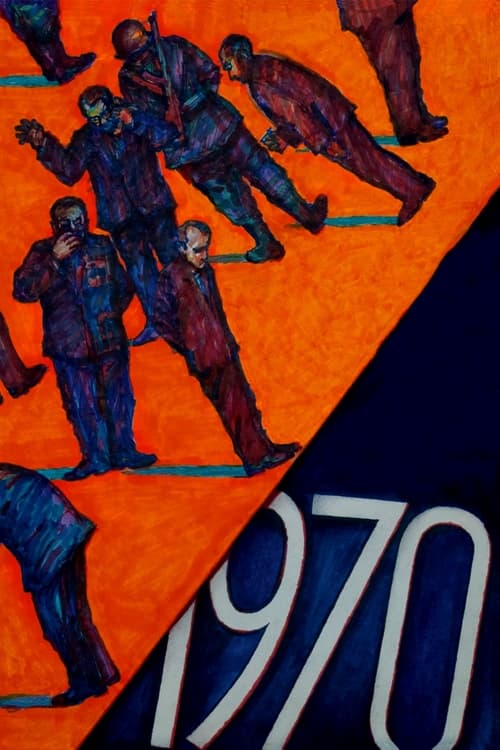
1970
Poland, 1970. When popular protests erupt in the streets due to rising prices, the communist government organizes a crisis team. Soon after, the police use their truncheons and then their firearms. The story of a rebellion from the point of view of the oppressors.
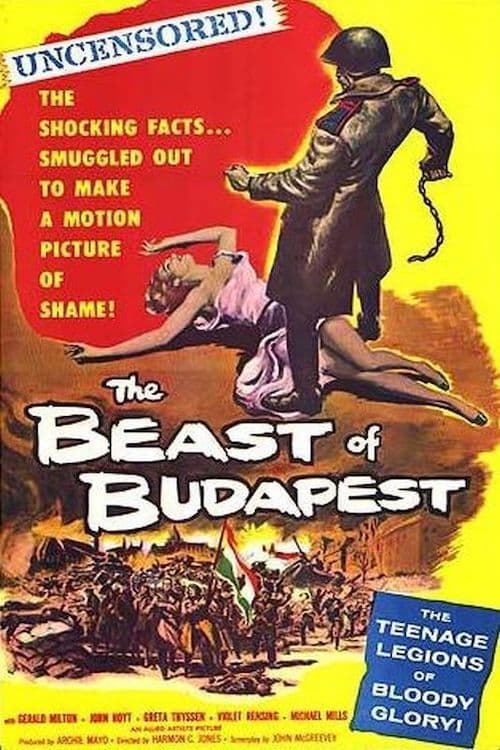
The Beast of Budapest
Archival footage combined with new footage re-creates the 1956 Hungarian Revolution. It is also a love story between a devout communist woman and the liberal son of a prominent professor. Because of their political differences, the two can never be together.
June Turmoil
The film speaks of student demonstrations in Belgrade, 1969 and of the critical quality, enthusiasm and discipline of this form of protest. It was the most powerful public criticism of "red bourgeoisie" - members of communist apparatus, who suppressed creativity and affirmation of new generations throughout Eastern block.
Rivers of Babylon
Dark satire about bare-knuckled capitalism in the immediate post-Cold War era. Set just as the Communist government is collapsing, the film focuses on the brutish Racz, the handyman in a Bratislava hotel. Knowing that his job is insured for life, Racz turns off the building's heat and demands food, money, and sex to have it restored. The film is narrated by a pimp named Urban who explains that people in the former Czechoslovakia were so used to being abused that they simply put up with Racz's corruption. By the end of the film, Racz's fortunes have changed considerably. Instead of being a lowly worker, he is now a ruthless and wealthy businessman, unafraid to kill or kidnap those who get in his way.
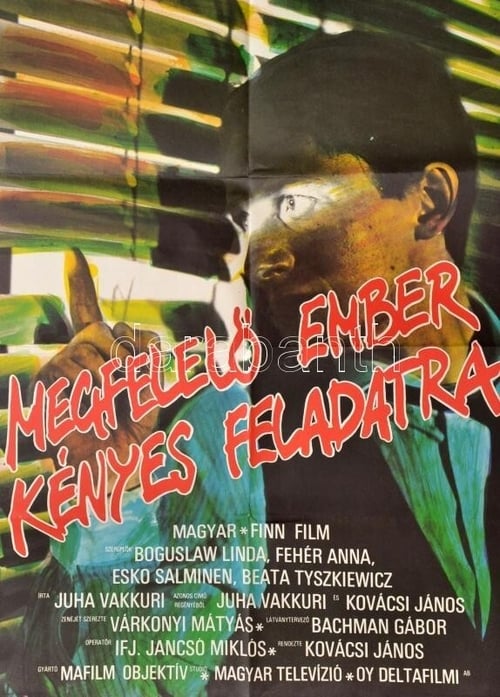
The Right Man for a Delicate Mission
In this somewhat uneven political satire, good revolutionaries have overthrown a totalitarian state riddled with corruption on all levels when a truly naive bureaucrat (Boguslaw Linda) is placed on a jury that will judge the results of a history competition. Once on the jury, the young bureaucrat starts looking into the past himself and gets embroiled in a labyrinth. The past may well be unclear because recent leaders have certain facts that need to be kept buried. Filmmaker Janos Kovacsi borrows characteristics from revolutions in the Eastern European block (1950s-1980s) to create this post-revolutionary society with an idealist commander (Ferenc Zenthe) meant to lead them. A clue as to what happens next lies in the opening scene -- the funeral of the commander who has given his life for his cause. Ironically, Kovacsi undoubtedly faced censorship on this film. That would not only account for some uneven narration, but it adds a dimension of reality to the topic at hand.
New Hyperion or Liberty, Equality, Brotherhood
From the behavior, discourse, and appearance of individual actors, Vachek composes, in the form of a mosaic, a broad and many-layered film-argument about Czechoslovak democracy in the period of its rebirth, all administered with the director’s inimitable point of view.
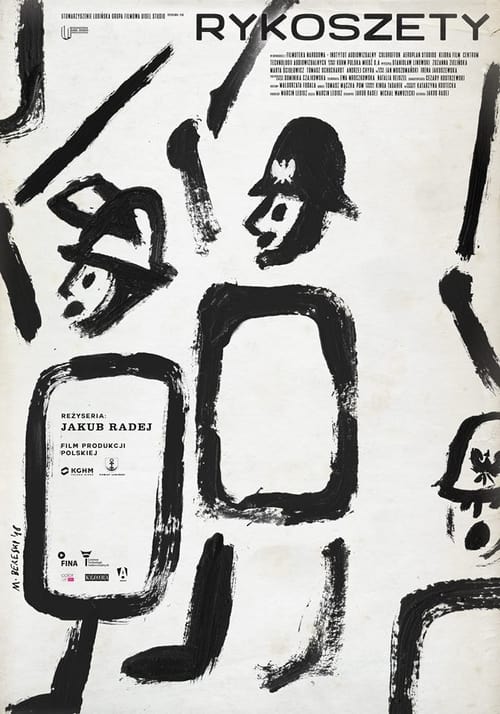
Ricochets
Poland, 1982, the politically heated days of communist martial law. Two coal miner brothers react differently to the oppressive police state. While Tadek prefers to retreat into neutrality, Janek chooses active engagement in the democratic underground. When Janek asks Tadek to store some anti-government leaflets on the second anniversary of Solidarity's 1980 strikes, he triggers a spiral of events that will have everyone's allegiances and characters severely tested.
Rate This Search
How well did these results match your search?