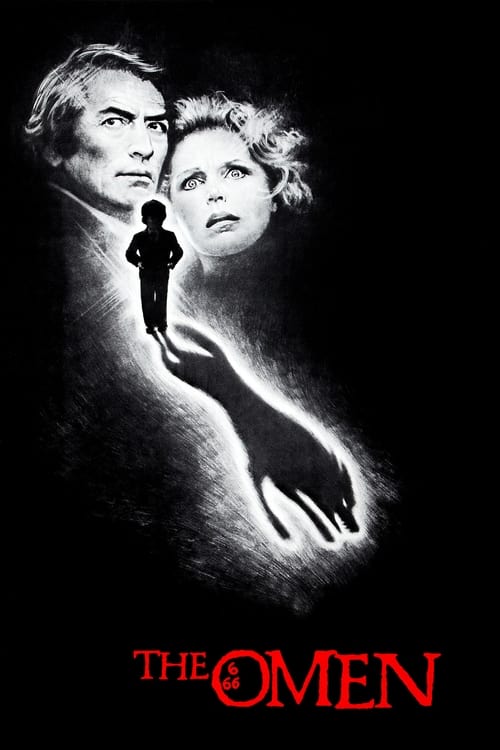
The Omen (1976)
Immediately after their miscarriage, the US diplomat Robert Thorn adopts the newborn Damien without the knowledge of his wife. Yet what he doesn’t know is that their new son is the son of the devil.
Details
Budget
$2,800,000
Rating
7/10 (2172 votes)
Status
Released
Production Companies
Mace Neufeld Productions, 20th Century Fox, Harvey Bernhard Productions
About The Omen
Richard Donner's 1976 horror film "The Omen" delves into themes of religion, prophecy, and paranoia, centered on the American diplomat Robert Thorn. After a miscarriage, Thorn secretly adopts an infant named Damien. This decision sets off a chain of increasingly disturbing events, suggesting Damien is no ordinary child.
The narrative uses elements of psychological thriller as Thorn grapples with the unsettling realization that his adopted son may be connected to demonic forces. The film builds tension through a series of unexplained accidents and malevolent occurrences surrounding Damien, prompting Thorn to investigate the child's true origins. The story explores the idea of a hidden conspiracy, where ancient prophecies and religious texts point to the arrival of the Antichrist.
"The Omen" is known for its atmospheric dread rather than jump scares, relying on an ominous tone and unsettling visuals. The film's lasting impact comes from its portrayal of a parent's worst nightmare: the child they love potentially embodying ultimate evil. The keywords "devil's son," "anti-christ," "satan," and "revelation" underscore the film's deep engagement with biblical horror.
Why you might be searching for The Omen
Many people are searching for films about evil children, specifically one where a child is revealed to be the son of the devil, often involving an ambassador father or a family facing macabre events.
What reviewers are saying
One reviewer found the film to be merely "okay," noting that while the final 10-15 minutes were strong, the middle portion moved slowly with little of interest happening.
Read the full reviewA review comparing the 1976 version to its remake praised the original for its superior acting performances, particularly Gregory Peck and Lee Remick, and its more believable and frightening atmosphere.
Read the full reviewA reviewer described it as their favorite 1970s horror film, appreciating how director Richard Donner sustained a sense of peril from the beginning, despite some scenes stretching credibility.
Read the full reviewFrequently Asked Questions
Common questions about finding and identifying movies
You can watch *The Omen* (1976) on Netflix, or rent/buy it on Amazon Video and Google Play Movies. For more options, check Metacritic or TMDB.
No, *The Omen* is not based on a true story. The idea for the film came from producer Harvey Bernhard's discussion with a friend about the Antichrist and biblical prophecies in 1973. Scriptwriter David Seltzer then developed the story, drawing some ideas from dispensationalism and Hal Lindsey's book *The Late Great Planet Earth*, but also creating his own narrative elements.
In the ending of *The Omen*, Robert Thorn discovers his adopted son, Damien, has the mark of the Antichrist (three sixes) and attempts to kill him with sacred daggers at a church. However, police intervene and shoot Robert before he can succeed. The film concludes with a double funeral for Robert and his wife Katherine, where Damien is seen alive and well, holding the hand of the U.S. President, and turning to smile at the camera, implying his rise to power.
Reviews for *The Omen* (1976) have been mixed but generally positive, with an IMDb rating of 7.5/10. Critics praised Richard Donner's direction, the strong performances, and Jerry Goldsmith's chilling score, noting its ability to scare audiences, although some found the plot silly or contrived. Many consider it a well-crafted horror film for its time.